Master Innovator Recognition Program

The Master Innovator program is an annual recognition program developed to acknowledge Vanderbilt’s top innovators and entrepreneurs for their contributions to the development and commercialization of intellectual property.

Master Innovator Recognition Program

Program Overview 

The Master Innovator program is an annual recognition program developed to acknowledge Vanderbilt’s top innovators and entrepreneurs for their contributions to the development and commercialization of intellectual property. Awardees have demonstrated excellence in a select number of key commercialization categories, including new inventions disclosed, patent applications filed and issues, new companies formed, technology licenses executed, commercialization revenue generated, and products on the market - all based on the candidate’s innovations created at Vanderbilt. Awardees are memorialized as a member of the CTTC Innovators’ Hall of Fame.
Master Innovator Recognition Awardees

2025 Master Innovators

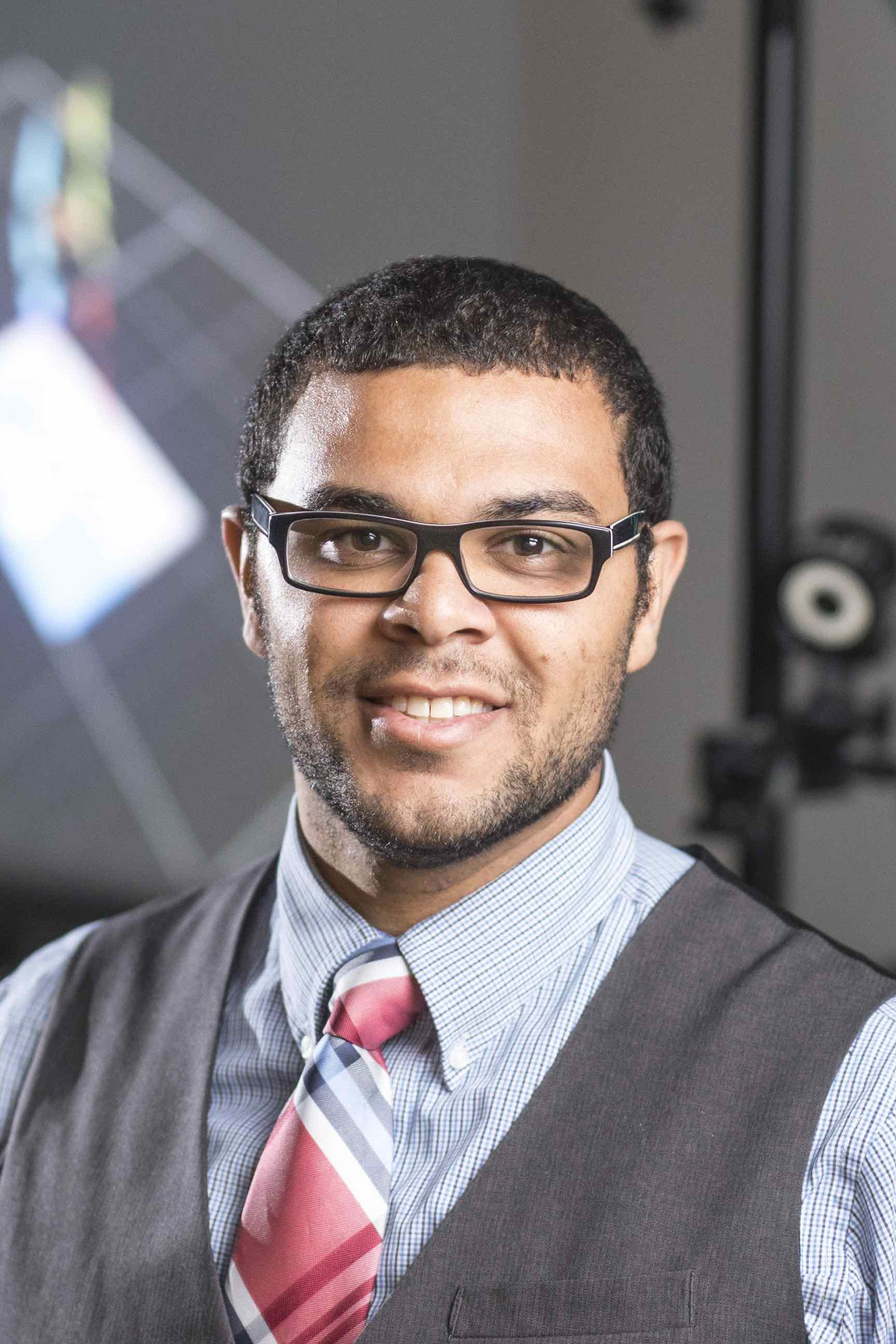
Robert Carnahan, Ph.D.

Professor, Pediatrics

Dr. Carnahan is a translational scientist and antibody engineer specializing in rapid therapeutic development for emerging infectious diseases. As Associate Director of the Vanderbilt Center for Antibody Therapeutics, he has led pivotal efforts to advance antibody candidates for Zika, Marburg, Hantavirus, and SARS-CoV-2 in collaboration with partners including the Department of Defense and Biomedical Advanced Research and Development Authority (BARDA).

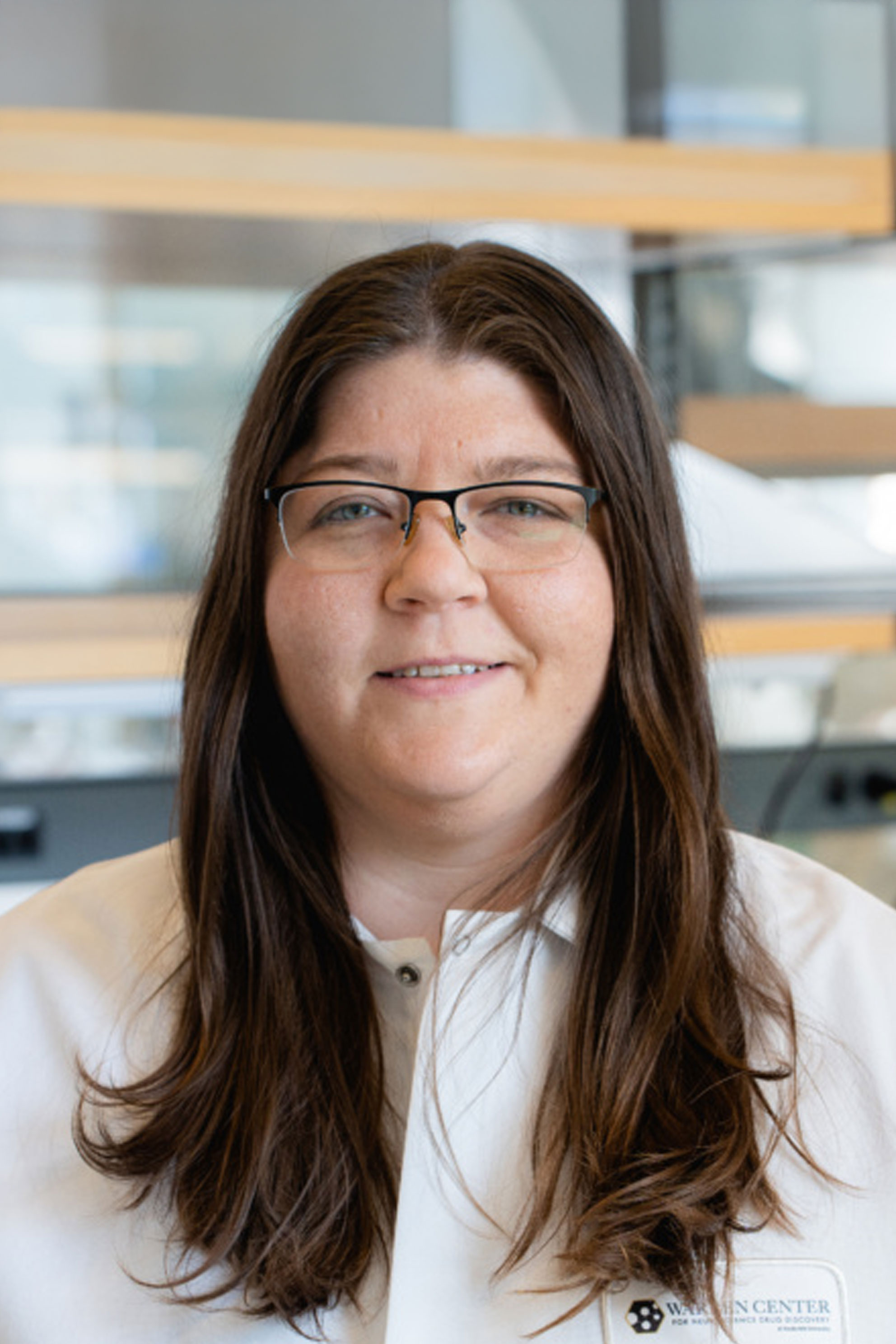
Darren W. Engers, Ph.D.

Research Assistant Professor, Department of Pharmacology

Dr. Engers is an outstanding innovator in central nervous system (CNS) drug discovery, who serves as group leader for multiple programs within the Warren Center, including M1 PAM, M4 PAM, and various ion channels. His leadership has directly contributed to major licensing transactions and clinical trials with pharmaceutical companies including NeumoraAcadia Pharmaceuticals, and Ono Pharmaceutical Co., Ltd.

Karl Zelik, Ph.D.

Associate Professor of Mechanical Engineering, Biomedical Engineering, and Physical Medicine & Rehabilitation

Dr. Zelik's groundbreaking work in biomechanics and wearable assistive technology has revolutionized workplace safety through the development of "back-assist exosuits." After joining Vanderbilt in 2014, he helped found the Center for Rehabilitation Engineering and Assistive Technology (CREATE) and spent years developing pioneering technology that led to the HeroWear Apex exosuit.

Kayla J. Temple, Ph.D.

Drug Discovery Scientist, Senior

Dr. Temple joined Vanderbilt's drug discovery team in 2016 after completing post-doctoral training under Dr. Craig Lindsley. Her research focuses on medicinal chemistry and drug discovery for central nervous system (CNS) disorders, particularly allosteric modulators for muscarinic acetylcholine receptors and metabotropic glutamate receptors.

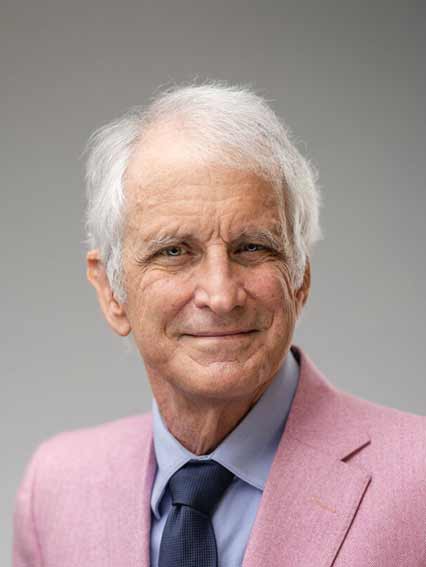
John P Wikswo

University Distinguished Professor of Biomedical Engineering, Molecular Physiology and Biophysics, and Physics

A distinguished inventor, Dr. Wikswo’s innovation portfolio consists of 76 invention disclosures and 47 issued patents, with licenses to companies including KIYATEC, Inc. and CN Bio Innovations Ltd., a biotechnology company based in the United Kingdom. He has received two R&D 100 Awards: in 1984 (then the IR-100 Award) for the Neuromagnetic Current Probe, and in 2017 for the MultiWell MicroFormulator. 

2024 Master Innovators

Carrie K. Jones, Ph.D.

Associate Professor of Pharmacology

Dr. Jones is celebrated for her pioneering research in neuropharmacology at Vanderbilt’s Warren Center for Neuroscience Drug Discovery (WCNDD) where her work addresses therapeutic interventions for central nervous system disorders such as Alzheimer's disease.

Colleen M. Niswender, Ph.D.

Associate Professor, Department of Pharmacology

Dr. Niswender is renowned for her work in drug discover and serves as the Director of Molecular Pharmacology for the WCNDD, with a specific focus on neurodevelopmental disorders such as Rett syndrome.

Alex G. Waterson, Ph.D.

Research Professor, Pharmacology

Dr. Waterson's work in medicinal chemistry has been instrumental in the discovery of new cancer therapeutics, particularly through his leadership in targeting “undruggable” protein-protein interactions, in partnership with Dr. Stephen Fesik.

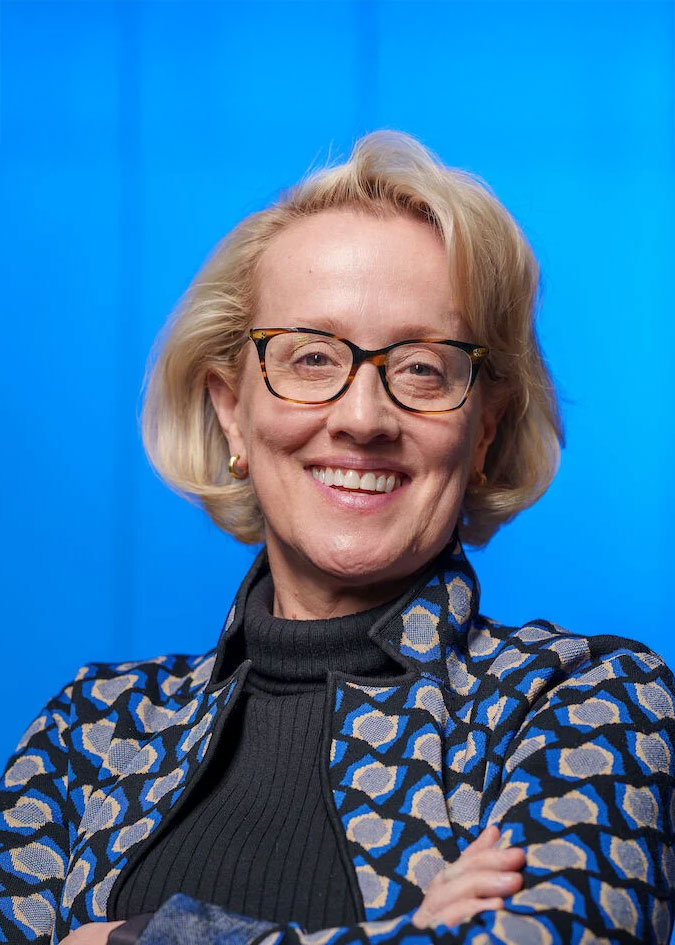
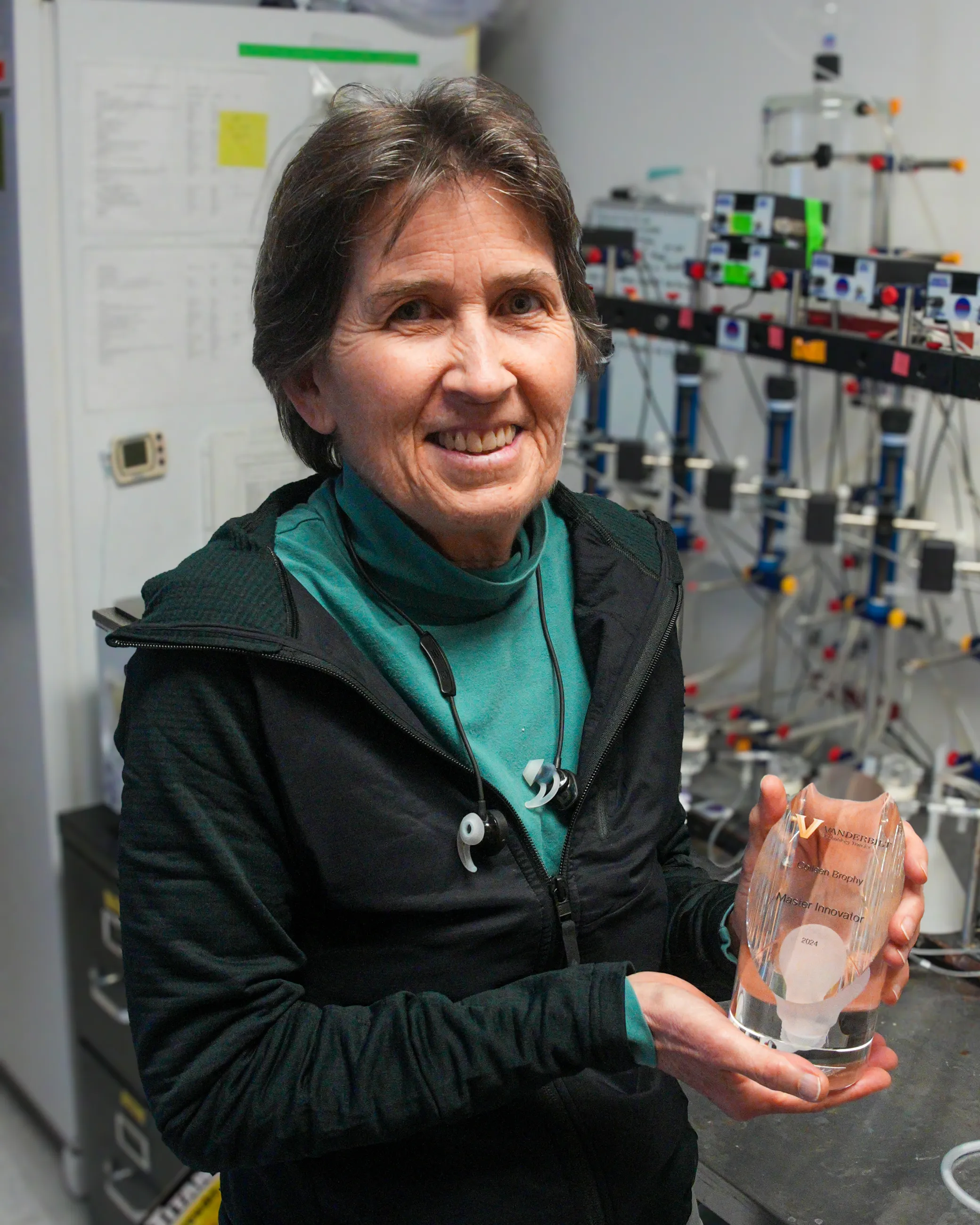
Colleen M. Brophy, M.D.

Professor of Vascular Surgery

Dr. Brophy is a prominent vascular surgeon and entrepreneur whose contributions in vascular biology have revolutionized her field. Her research has led to novel approaches to preventing vascular complications, significantly improving patient surgical outcomes.  

Robert Webster, Ph.D.

Richard A. Schroeder Professor of Mechanical Engineering

Dr. Webster is a leading figure in surgical robotics, where his work continues to be transformative in pioneering minimally invasive surgical procedures with increased accuracy, leading to the filing of more than seventy five patents and applications.

2023 Master Innovators

Richard M. Caprioli, Ph.D.

Director of the Mass Spectrometry Research Center, Department of Biochemistry

Dr. Richard Caprioli has paved the way for advancements in personalized medicine, drug discovery, and the diagnosis and treatment of diseases such as cancer by developing innovative imaging techniques in the field of mass spectrometry. 

C. David Weaver, Ph.D.

Associate Professor of Pharmacology

Dr. C. David Weaver has been exceptionally productive in research in the field of pharmacology. Dr. Weaver’s groundbreaking work has significantly advanced our understanding of drug discovery and development, particularly in the area of G protein-coupled receptors (GPCRs). 

Susan Eagle, M.D.

Professor of Cardiothoracic Anesthesiology

Dr. Susan Eagle, Professor of Cardiothoracic Anesthesiology at Vanderbilt University Medical Center, possesses a wealth of clinical knowledge and practical experience, which she applies to the development of innovative medical technologies.

Franz J Baudenbacher

Associate Professor of Biomedical Engineering

Dr. Franz Baudenbacher, through his research in the field of biomedical engineering and physics, has made significant contributions to healthcare technology.

2022 Master Innovators

Anita Mahadevan-Jansen, Ph.D., M.S., B.S.

Professor of Biomedical Engineering

Professor Mahadevan-Jansen's research focuses on the application of optical techniques for the diagnosis of pathology and neuromodulation. The primary research areas include: Optical Diagnostics, Neurophotonics, and Image-guided Surgical Techniques.

Michael Goldfarb, Ph.D., M.S., B.S.

H. Fort Flowers Professor of Mechanical Engineering

The Goldfarb lab's research focuses on the design, modeling, and control of electromechanical devices and systems, the design of high-energy-density robotic actuators, and the control of fluid-powered actuators and devices.

Stephen Fesik, Ph.D.

Professor of Biochemistry & Pharmacology & Chemistry

The main interest of the Feisk lab has long been cancer drug discovery. The cancer drug targets that they are pursuing include highly validated but technically challenging such as KRAS, MYC, Wnt, and Mcl-1. 

Benoit M. Dawant, Ph.D., M.S.

Cornelius Vanderbilt Professor of Electrical and Computer Engineering

His main research interests include medical image processing and analysis. Current projects include the development of algorithms and systems to assist in the placement of deep brain stimulators used for the treatment of Parkinson’s disease and other movement disorders, the placement of cochlear implants used to treat hearing disorders, or the creation of radiation therapy plans for the treatment of cancer. 

Craig Lindsley, Ph.D., B.S.

University Professor, Department of Pharmacology

The major focus of the Lindsley laboratory is drug discovery and medicinal chemistry. He is also the Director of the WCNDD and oversees 95 BS/MS/PhD scientists across medicinal chemistry, molecular pharmacology, DMPK, behavioral pharmacology and biomarkers.

Jeffrey Conn, Ph.D.

Professor, Emeritus, Pharmacology

The primary focus of research in Dr. Conn’s laboratory is to develop a detailed understanding of the cellular and molecular mechanisms involved in regulating chemical and electrical signaling in the central nervous system.

James Crowe, M.D.

Ann Scott Carell Chair & Professor, Pediatrics & Pathology, Microbiology and Immunology

The Crowe lab uses a very broad array of techniques including molecular and cellular biology, state-of-the-art imaging and flow cytometry, bioinformatics, and bioengineering approaches to attack the scientific problems. His laboratory has a broad portfolio of work in the area of viral immunology and antibody sciences, with an aim to discovery of mechanisms important to develop new therapeutics and vaccines.